
Research Area 3
Environmental factors, sexual dimorphism, and transgeneration in organismal aging trajectories
Understand how environment, sex, and epigenetics shape aging trajectories

Research Area Focus
Research in RA-3 aims at understanding how environmental, sex-specific, and transgenerational factors impact the mechanisms of aging explored in RA-1 and RA-2 to shape individual organismal aging trajectories. The aging trajectory of an organism is regulated by the interplay between genes and environment. For decades, the role of sex has been neglected as an important factor in determining aging-associated disease risks and responses to therapies. This is surprising taken that women worldwide have a longer life expectancy than men. During its life time, the organism is also exposed to a complex environment which has a major impact on the aging trajectory along with risk and type of agingassociated disease. RA-3 will further examine how environmental factors such as diet and temperature along with sex dimorphism and transgeneration affect organismal aging trajectories and should lead to more novel interventions and sex-specific medical solutions for aging-associated diseases.
Highlights

Environmental and neuronal sensing
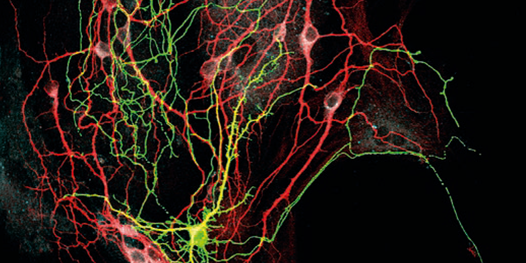
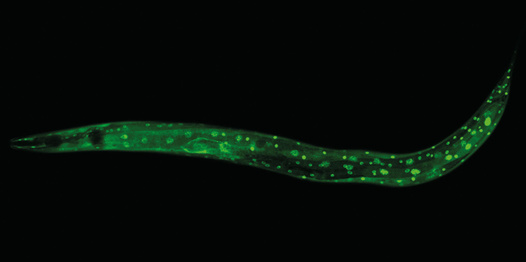
CECAD scientists revealed how environmental factors, such as temperature and diet, regulate cellular homeostasis and longevity. Vilchez demonstrated that cold exposure extends lifespan and preserves germline stem cells while preventing protein aggregation in C. elegans and human neurons (Nature Metabolism, 2019; Nature Aging, 2023). Brüning identified temperature-sensing mechanisms in hypothalamic neurons that drive adaptive locomotor and metabolic responses (JCI Insight, 2022), while Hoppe uncovered how neuronal circuits integrate sensory inputs to modulate intestinal proteostasis and thermotaxis (Nature Metabolism, 2019; Nature Communications, 2022). These findings establish temperature and nutrient perception as key determinants of organismal aging.
Host-microbiome interactions
Cabreiro pioneered studies showing that gut bacteria actively modulate host aging by shaping nutrient and drug metabolism. His group identified bacterial effectors of metformin and revealed how microbial metabolites influence lifespan and stress resilience (Cell, 2019; Nature Communications, 2020). Pasparakis uncovered immune mechanisms controlling intestinal epithelial and myeloid responses to the microbiota, defining new checkpoints for inflammation and tissue repair (Immunity, 2019; Immunity, 2020).
Sex differences and neurobehavioral regulation
Korotkova and colleagues identified neuronal networks that balance nutritional and reproductive needs, showing that leptin- and neurotensin-expressing hypothalamic neurons orchestrate competing behavioral drives (Cell Metabolism, 2023; Nature Neuroscience, 2024). Vogt demonstrated that synaptic lipid signaling shapes feeding behavior and body weight, with sex-specific consequences in humans (Nature Metabolism, 2022; Science Translational Medicine, 2022). Together, these discoveries provide a neurobiological basis for how sex and environment interact to shape behavior and metabolism.
Transgenerational inheritance and parental effects
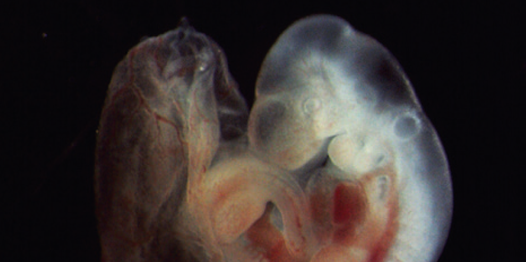
The Schumacher group identified mechanisms by which environmental and parental factors affect genome stability across generations. Maternal heat stress induces intestinal signaling that increases aneuploidy in offspring (Nature Communications, 2022), while paternal age-related DNA damage is transmitted via polymerase theta-mediated end joining during zygotic repair (Nature, 2023). Alcázar showed that maternal obesity alters vascular development in offspring, causing pulmonary hypertension and bronchial obstruction (Nature Communications, 2022). These findings illuminate how parental environments shape the health and aging of future generations.
Human studies and translational perspectives
CECAD’s translational researchers bridged molecular discoveries to clinical cohorts. Jessen and Ramirez, through the DZNE DELCODE study, established early diagnostic stages of Alzheimer’s disease and new biomarkers for cognitive decline (Lancet Neurology, 2020; Neuron, 2022; Alzheimer’s & Dementia, 2023). Müller and Polidori launched the ZNAge cohort, linking multimorbidity and frailty with molecular and environmental signatures in older adults. Deelen developed the MetaboHealth score, a metabolomic predictor of health and mortality (Nature Communications, 2019).

Head Principal Investigators

Prof. Dr. Filipe Gomes Cabreiro
Principal Investigator
Head of Research Area 3
Telefon+49 221 478 84390

Prof. Dr. Tatiana Korotkova
Principal Investigator
Institute Director
Head of Research Area 3
Telefon+49 221 4786950